
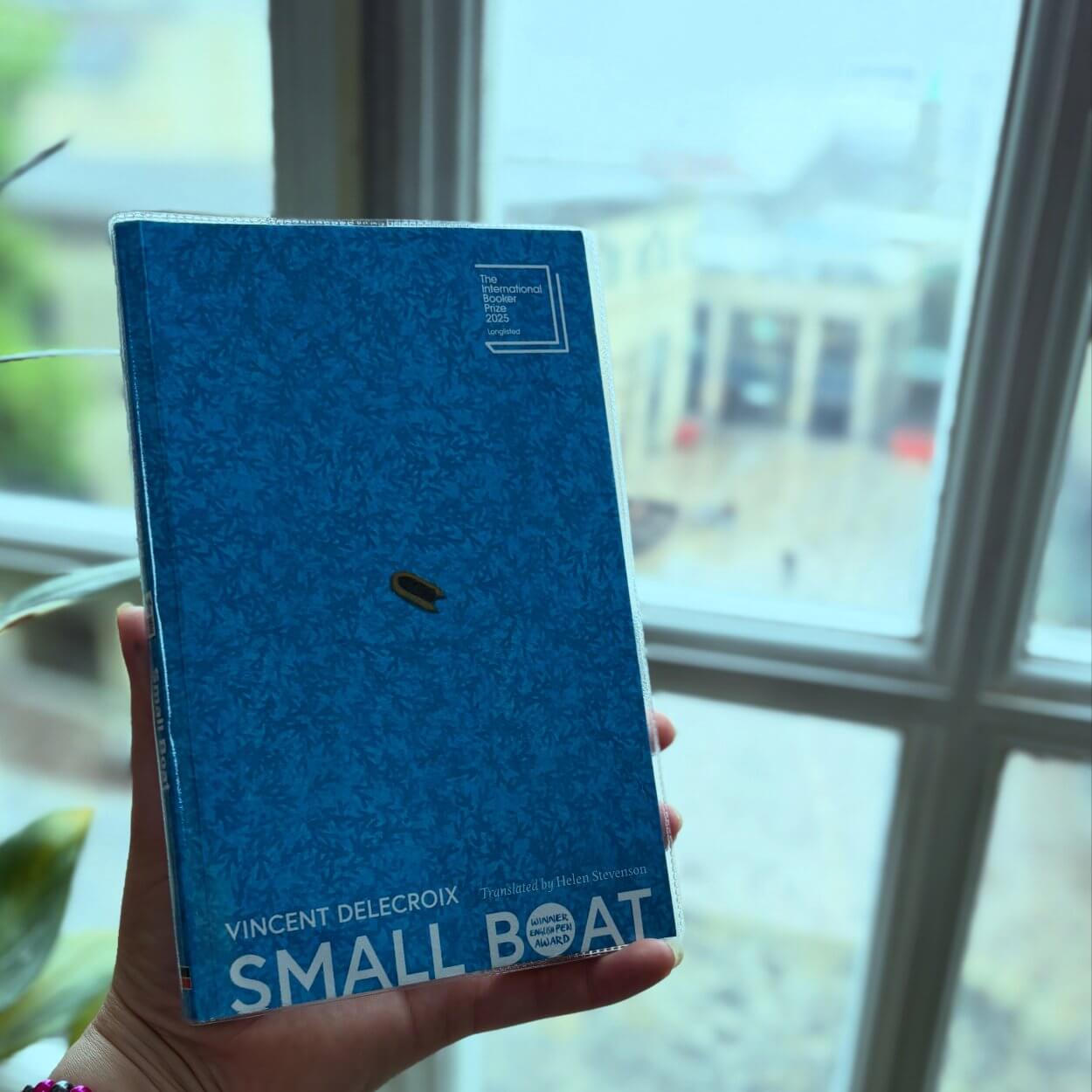
When people die in a dinghy drowning in the Channel, half-way between France and the UK, scrutiny falls on the people taking the calls of distress that night. Specifically, a French investigation is unfolding regarding the coastguard failings that night. Why was there not more communication with the British? Why were boats not sent out? How did these people drown over a period of 4 hours when they’d made contact when their vessel first floundered?
A woman is trying to locate her own sense of guilt and blame as her actions and inactions that night are scrutinised in the investigation. You enter her head, hear her reasoning. In the end, the investigation is not just about what actually happened, but also about what was said, and not said. Comments caught on the microphone that night shock the nation with their lack of empathy, but the speaker argues that there’s a collective guilt, a complicity, that is pushing society to exonerate itself. It’s a really taught and effective way of examining guilt and complicity.
We also get an insight into the people on the boat and their experiences as they lose hope of rescue. Truly brutal and devastating.
It’s all based on a true story and it’s a stunningly plotted and written novella. The moral failings, the excuses, the emotional void that accompanies attitudes to migration are all writ large.
One word: confronting.

Leave a Comment