
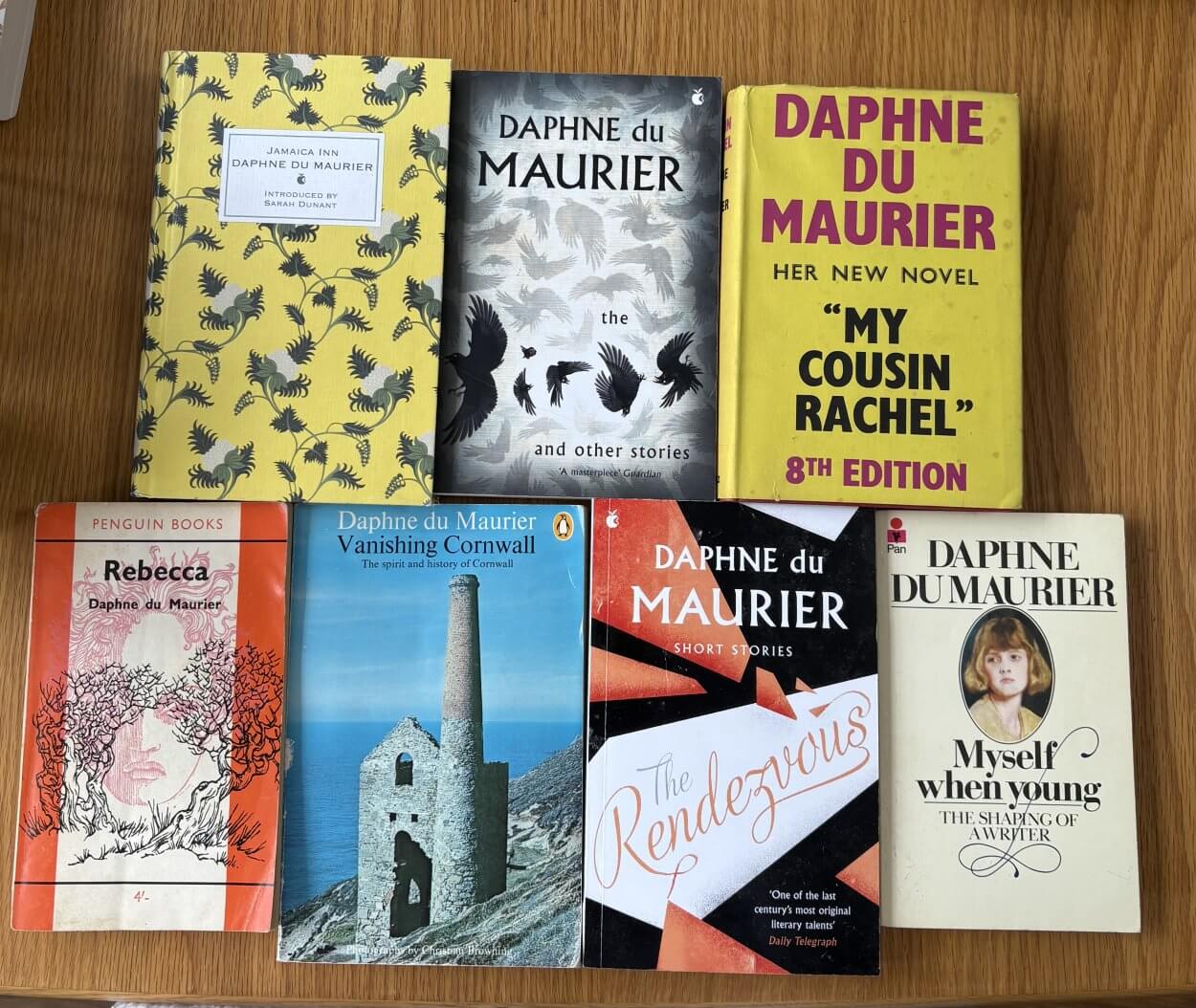
Daphne du Maurier (1907–1989) was a British novelist, playwright, and short story writer whose works continue to fascinate. Some of her works have been made into iconic films and series, and she’s a writer who tends to garner a bit of cult following (in the same vein as Shirley Jackson). She’s a master at plotting and creating atmosphere.
Best known for her atmospheric tales of love, mystery, and obsession, Du Maurier blurred the boundaries between romance, gothic, and psychological thriller, creating stories that feel as unsettling today as when they were first published.
Du Maurier is a rare writer: she cornered both the literary and the popular market!
Famous works and novels
Du Maurier’s writing career was marked by bestsellers that became cultural touchstones and continue to fascinate today:
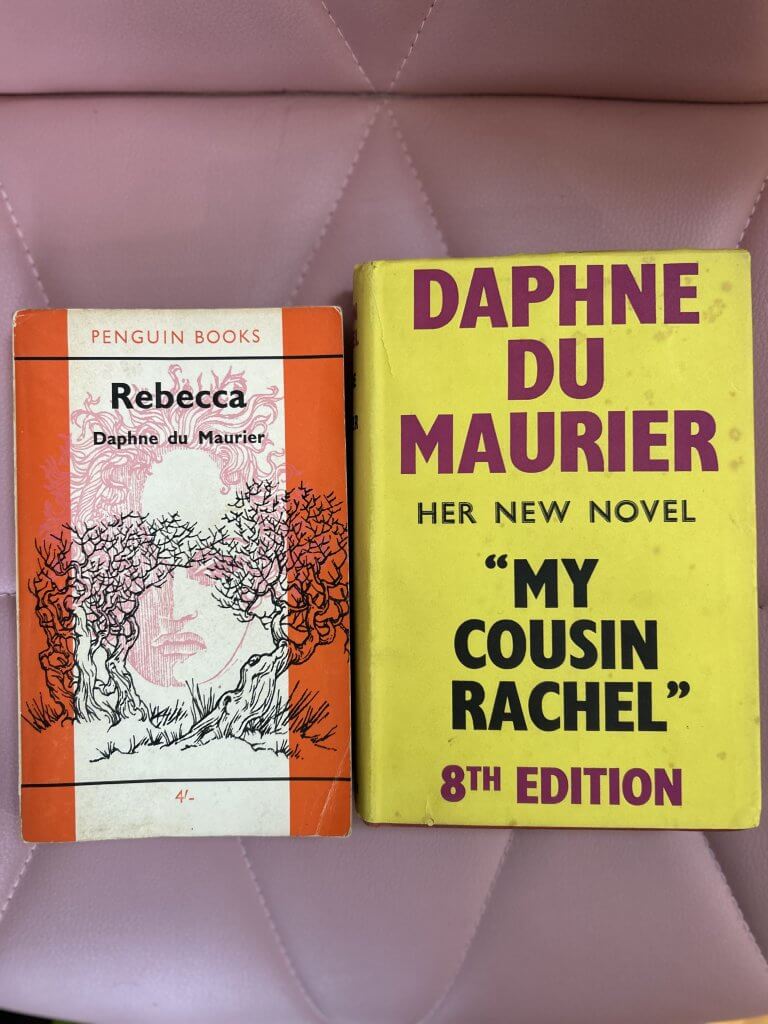
- Rebecca (1938) – her most celebrated novel, telling the story of a young bride overshadowed by her husband’s enigmatic first wife. Alfred Hitchcock’s 1940 film adaptation won the Academy Award for Best Picture and cemented Rebecca as a gothic classic and the modern remake also made a splash. The perfect slow-burn novel.
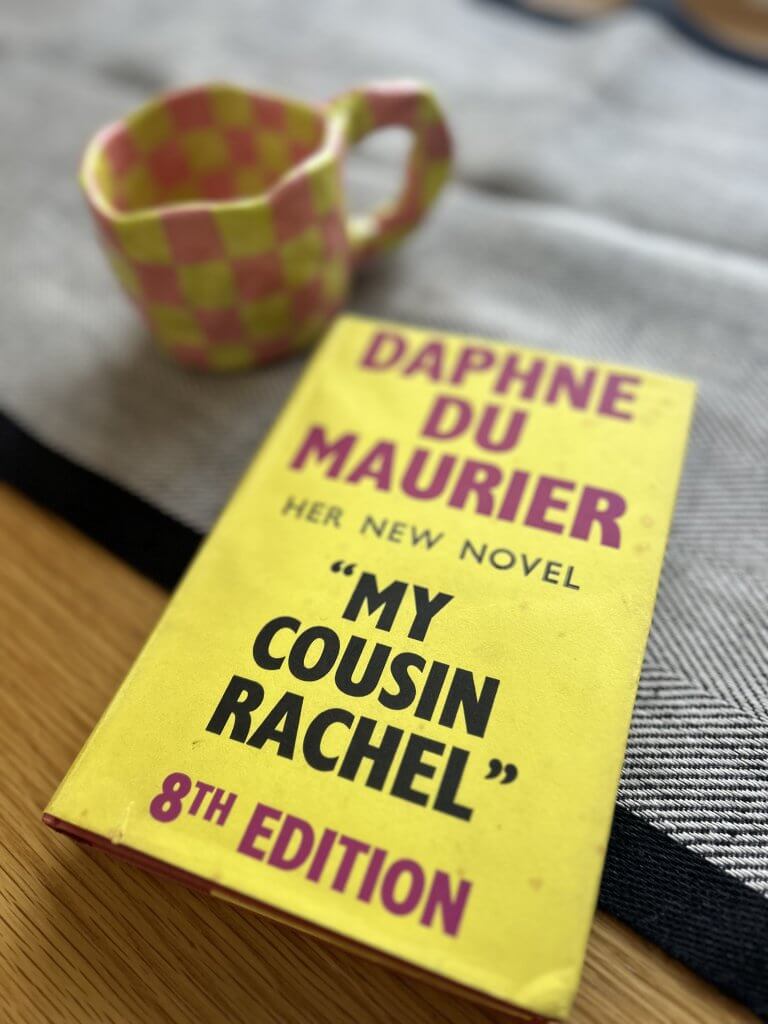
- My Cousin Rachel (1951) – a gripping psychological mystery that questions love, trust, and manipulation. Rachel Weisz brought her own signature style to the recent Hollywood adaptation.
- Jamaica Inn (1936) – a brooding tale of smuggling and betrayal on the Cornish coast set in the famous Jamaica Inn on Bodmin Moor. Passionate, violent, and atmospheric, it’s a great tale of endurance and adventure.
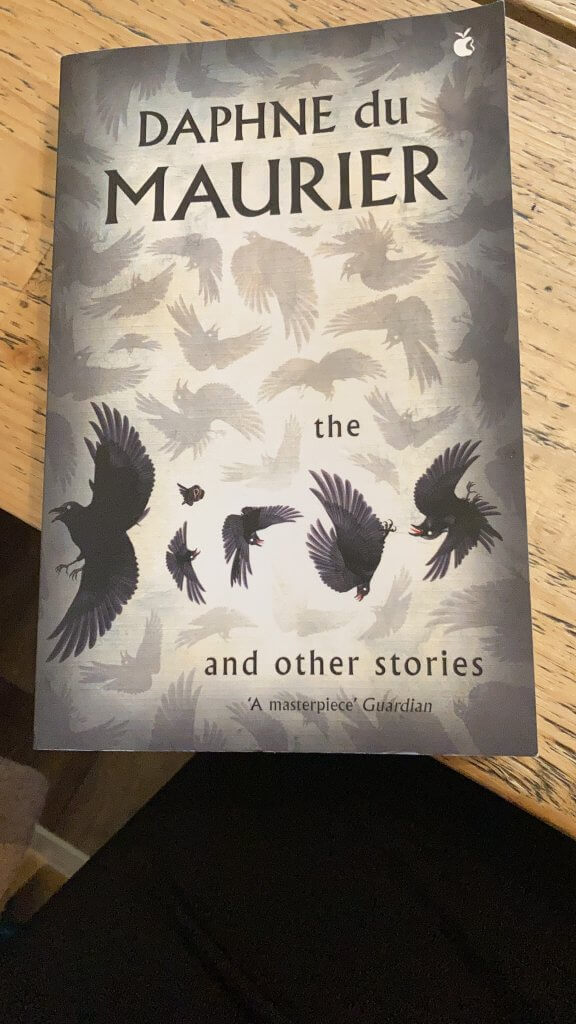
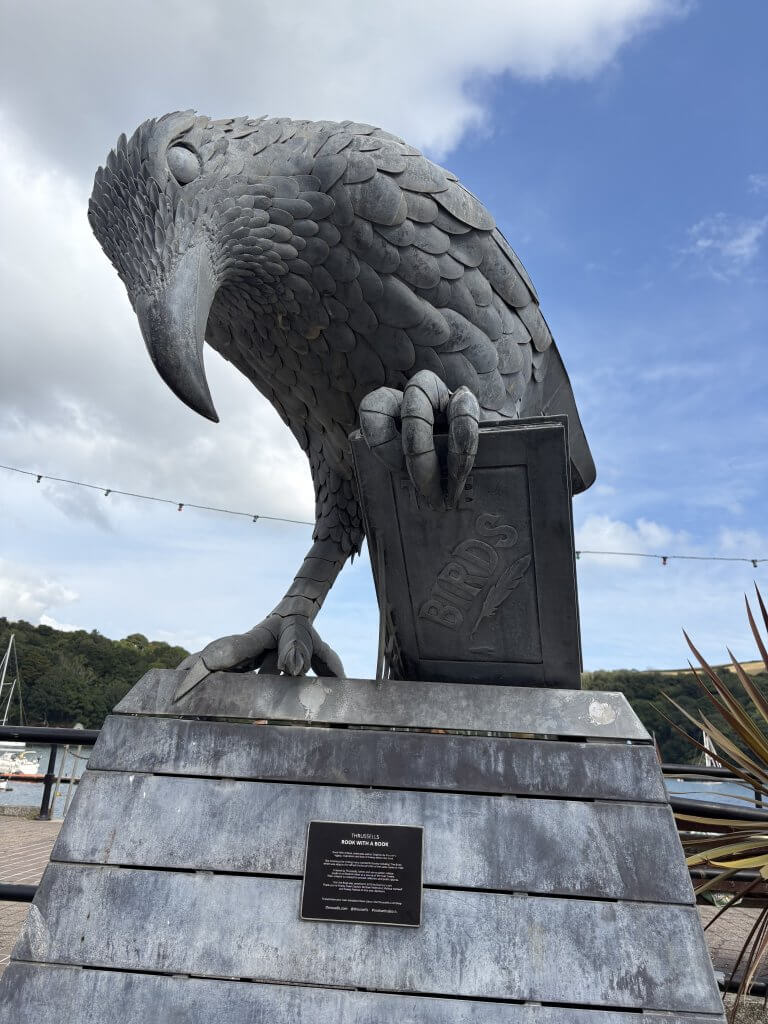
- The Birds (1952) and Don’t Look Now (1971) – short stories later adapted into iconic, unsettling films by Alfred Hitchcok and Nicolas Roeg respectively.
- The House on the Strand (1969) – an unsettling time travel novel where a man gets more than he bargains for during his time travels back to the Medieval age. Probably named after Tywardreath where du Maurier lived and which means “house on the beach/strand” in Cornish.
- Her final satirical novel, Rule Britannia (1972), about a post-EEC Britain aligning with the US and sliding into violence, feels strikingly relevant today, though it was a critical failure at the time.
Themes & du Maurier style explored
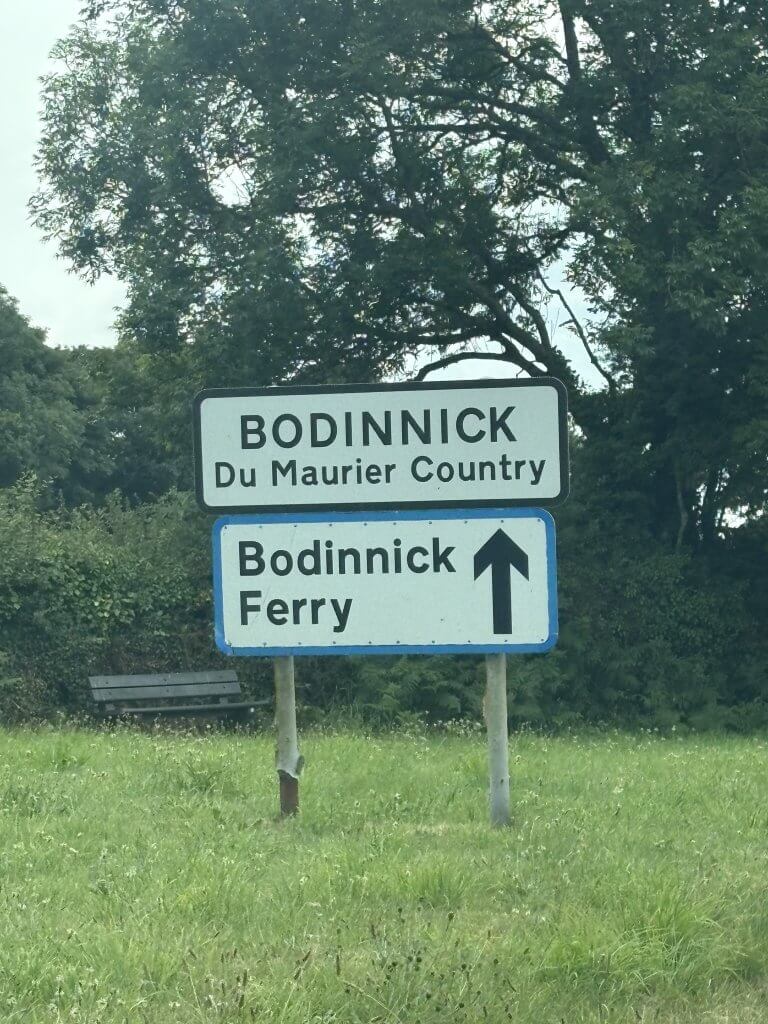
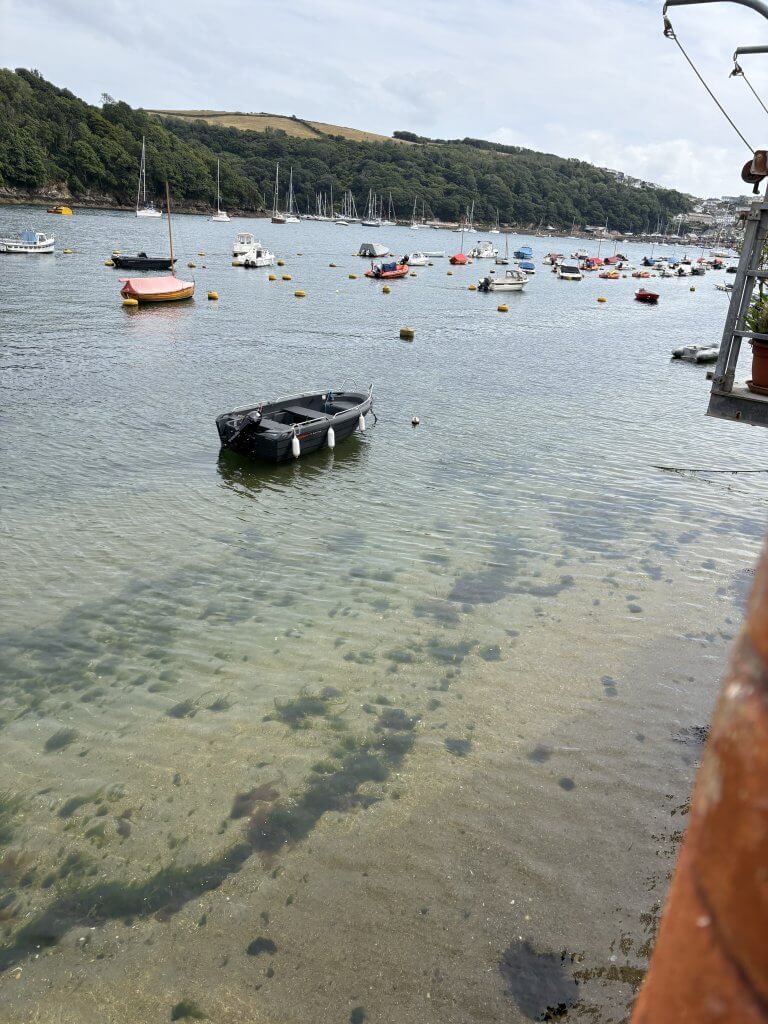
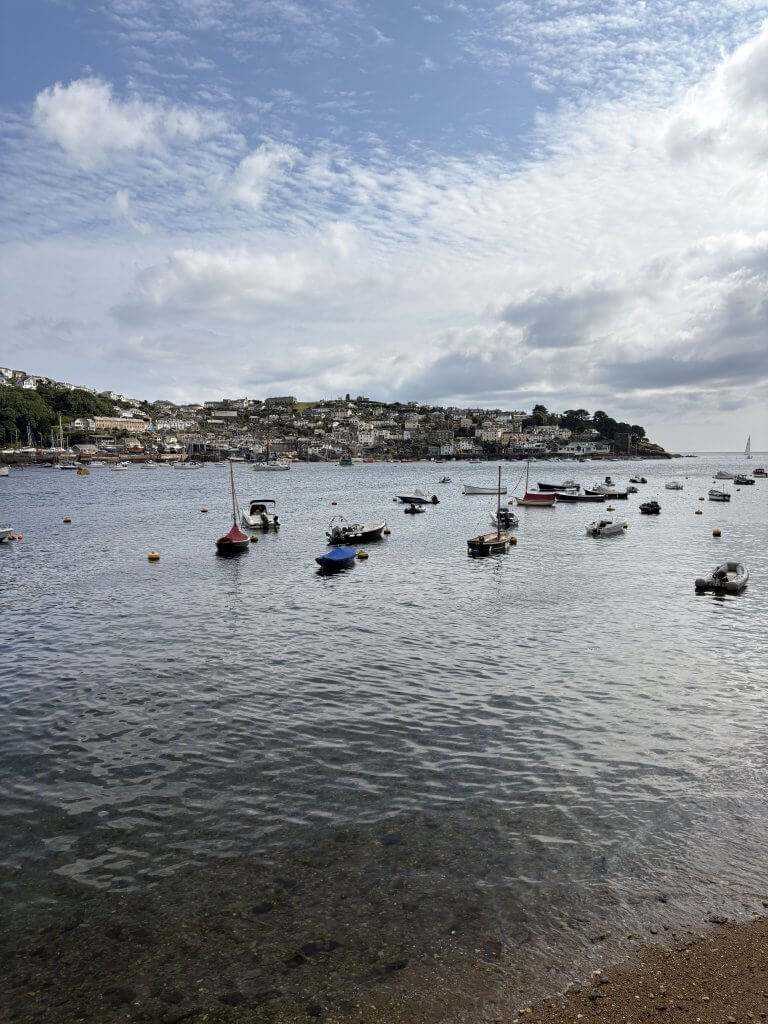
Cornwall, where du Maurier lived for much of her life, often serves as the moody backdrop to her novels. The area around Fowey and Menabilly (the house she rented and where she lived with her family) is known as “Du Maurier Country” and Manderley in Rebecca is said to be inspired by Menabilly.
Her recurring themes include obsession, jealousy, identity, and the inescapable weight of the past. Though her books were often marketed as “romantic fiction,” their darkness, ambiguity, and psychological depth place them firmly in the gothic and thriller traditions.
Her plots often involve mysteries, hidden secrets, and personal crises that come to a head.
Du Maurier the woman
Born in London into a theatrical family, Daphne was the daughter of actor-manager Sir Gerald du Maurier and granddaughter of writer and cartoonist George du Maurier. She married Major Frederick Browning, a distinguished army officer, in 1932, and they had three children. After his death, du Maurier remarried and had a complicated relationship with her children.
Despite her social connections, du Maurier craved seclusion. She found it in Menabilly, a remote Cornish estate that became both her home and the inspiration for Manderley in Rebecca. Her love of sailing and the sea also infused much of her writing.
Rumours have filled in some of the enigmatic silence around du Maurier: her close relationships with women have possibly been sexual? Certainly du Maurier spoke of a hidden, potentially sexual, creative, masculine side to herself.
There have also even been accusations of incest due to (partly) the things she wrote about, which can be a problematic way to analyse an author’s life. However, it seems clear that her father was a controlling and charismatic alcoholic who exercised a strong influence over her life: he was fascinated by his daughter.
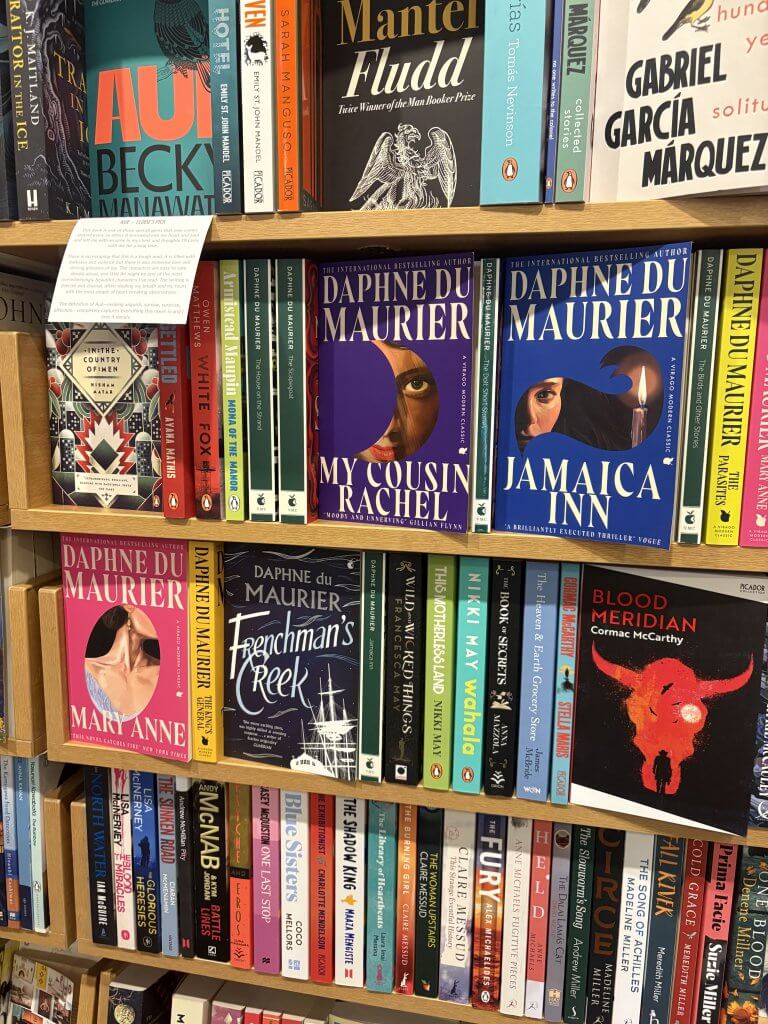
Du Maurier legacy
Critics in her lifetime sometimes dismissed du Maurier as a writer of romances, but her enduring popularity has prompted a major reappraisal. Today, she is celebrated as one of the 20th century’s most important writers of gothic and psychological suspense. Her novels and stories remain widely read, frequently adapted, and endlessly discussed for their haunting atmosphere and complex exploration of human desire.
It’s great to see her works still out and about, finding new readers. For me, she remains one of those writers you never quite get to the bottom of: mysterious, powerful, and endlessly rewarding to return to.


Leave a Comment