
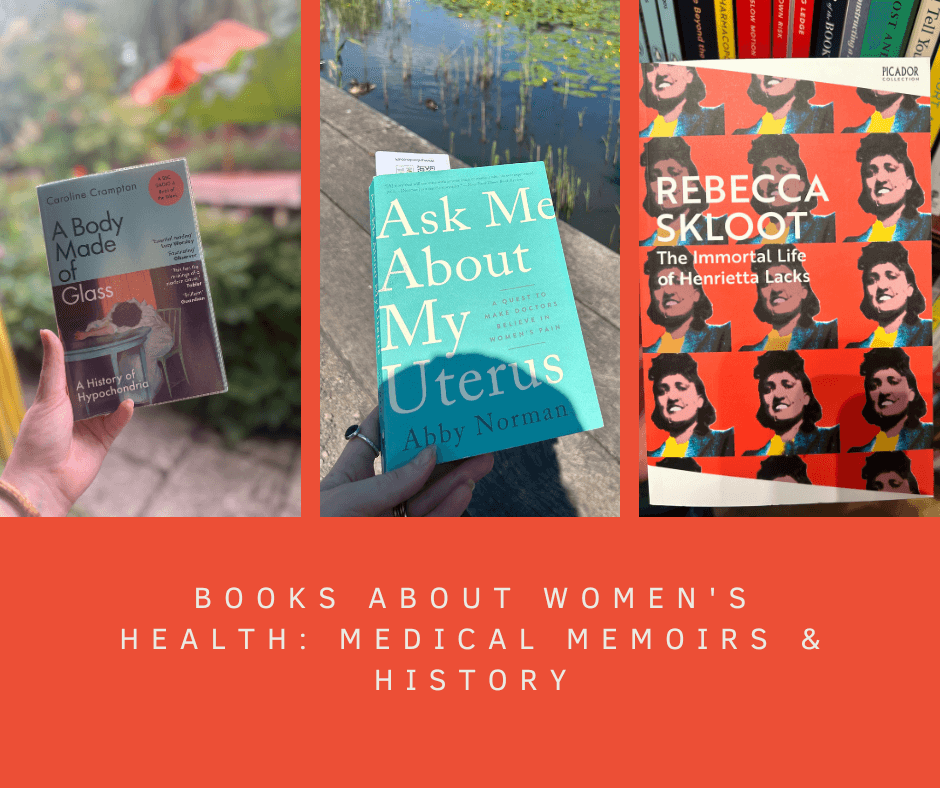
I’ve got a bit of a thing for books on women’s health: whether that is an empowering memoir of dealing with pain and frustrating diagnoses, or hard-hitting reports on the history of women’s health, I love books about women’s experiences of the medical establishment. Here are some of my favourites.
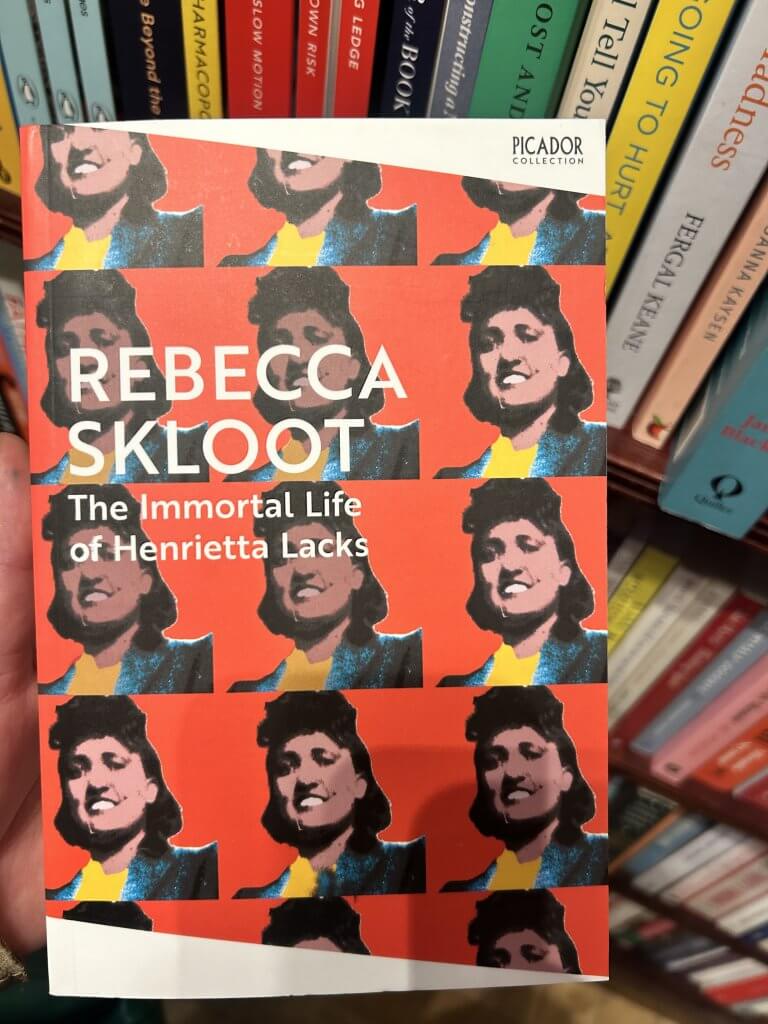
The Immortal Life of Henrietta Lacks by Rebecca Skloot
An important piece of investigative journalism led to this book that intersects topics such as race, medical ethics, gynaecology, research ethics, genetics, poverty, corporate greed, urban development and decay….
But at its heart it’s also a fascinating portrayal of people, of a family in crisis, of a family in mourning for a mother and who struggle as they get caught up in a much larger narrative. In some way the more “dry” genetics stuff gets pushed aside, at least for me, when juxtaposed with how a family copes with grief.
Henrietta Lacks, a black woman, had her cancer cells taken from her and they became the basis of a lot of modern cell and genetic studies due to their ability to grow in a lab. Dubbed HeLa cells, they were the first of their kind. Their contribution to science cannot be overstated, but none of this was done with her or the family’s informed consent. Medical practices back then were highly questionable in this arena to say the least. The infamous Tuskegee syphilitic experiment is an example. (Tuskegee actually comes up in a surprising way in the book).
The book is good at centring the Lacks family, especially Deborah, Henrietta’s daughter. Her burgeoning friendship with the writer is documented and we get to see how the story and book develops through it. There are loads of interesting characters we meet on the way and you get “inside” the developing story.
We get the story of Henrietta and her origins. Henrietta gets to live again, speak again, and not just as cells. It’s important to bring back the voice to these cells that many have used without a thought to her.
I liked the coverage of historic attitudes to cell cultures as well as the opening up of conversations of where we are today when it comes to research, patient consent, genetical research and ethics. Let’s just say there’s still things to be worked out…
So many layers and so much covered! I appreciate the effort of explaining the science behind cell cultures, which is quite complicated. The book is good at giving the sense of a developing story.
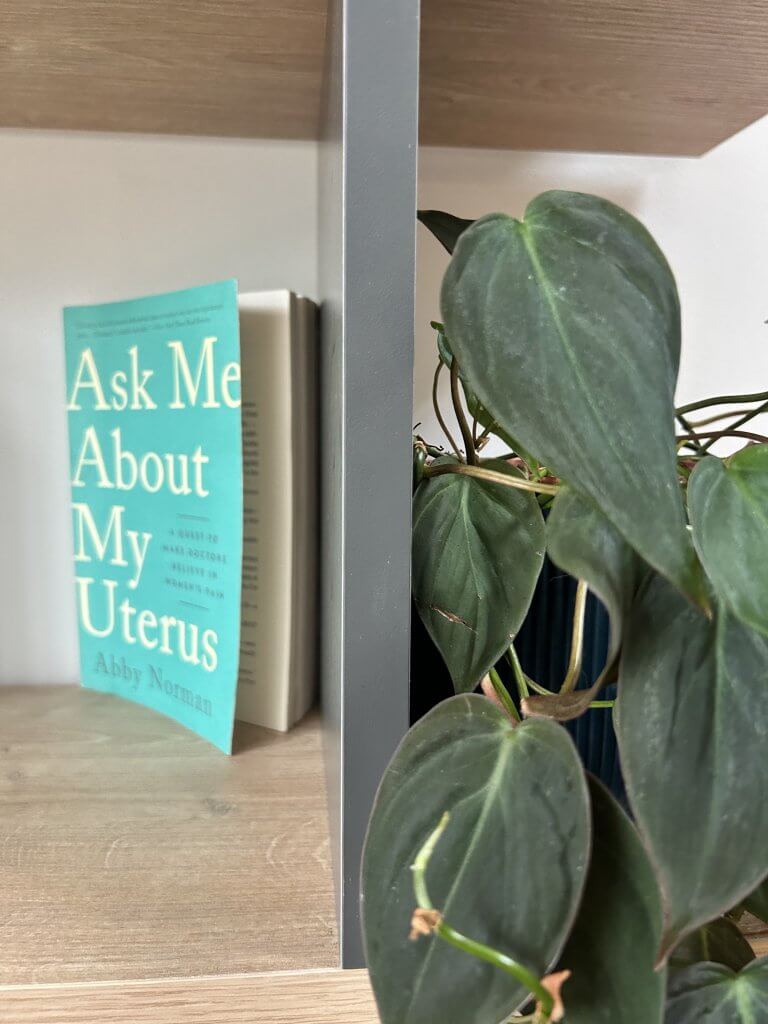
Ask Me About My Uterus by Abby Norman
In this book, the sympathy you’ll have for Abby as she recounts her story is unreal. Sometimes you might even need to take a beat to sit with it all, as it gets very intense. She’s had a tough time and it’s a very personal book. Yes, there’s interesting medical stuff here, discourse on societal structures etc too, but Abby also let’s you get very intimate with her own experiences of gyno pain.
Abby writes in an intelligent and inclusive way about tough topics. It’s hard not to love her for that, or at least admire her resilience.
I love to understand medical issues, and respect people for breaking down taboos. I also think this is great for helping understand chronic illness better.
I like the measured tone of this book that doesn’t sensationalise or exaggerate. A very clearheaded look at things, which is a triumph in and of itself. I like the fact that she doesn’t shy away from the tragic and the fact that sometimes there’s no easy answers.
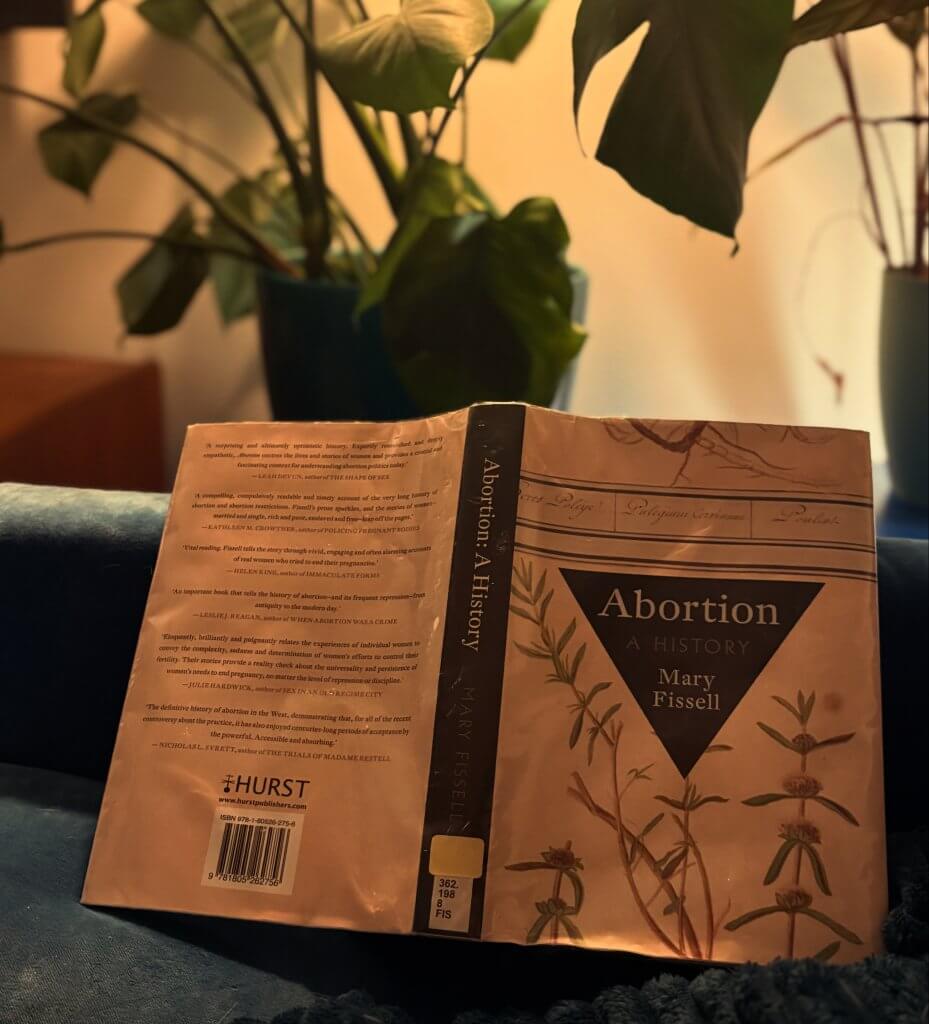
Abortion: A History by Mary Fissell
Depressing to read that the Ancient Greeks took a more logical and enlightened approach to abortion care than many places today!
However, it’s an important message that is worth considering in today’s climate when the toxicity of the ‘debate’ has completely obscured actual practices and history.
An important and engaging read that delves into important topics around abortion history, tracing its ties to social and political history. It was really eye-opening to see how much healthcare for women has been tied up with moral panics about women and their autonomy. When societies wanted to punish women, when they worried about women’s independence, they clamped down on abortion care.
At the same time, the history of abortion is not what you necessarily expect, full of twists and turns and contradictions. Fissell does a good job of taking you through this complex history.
It’s not fully comprehensive, but how could it be with such a vast topic?
An important piece of social history.
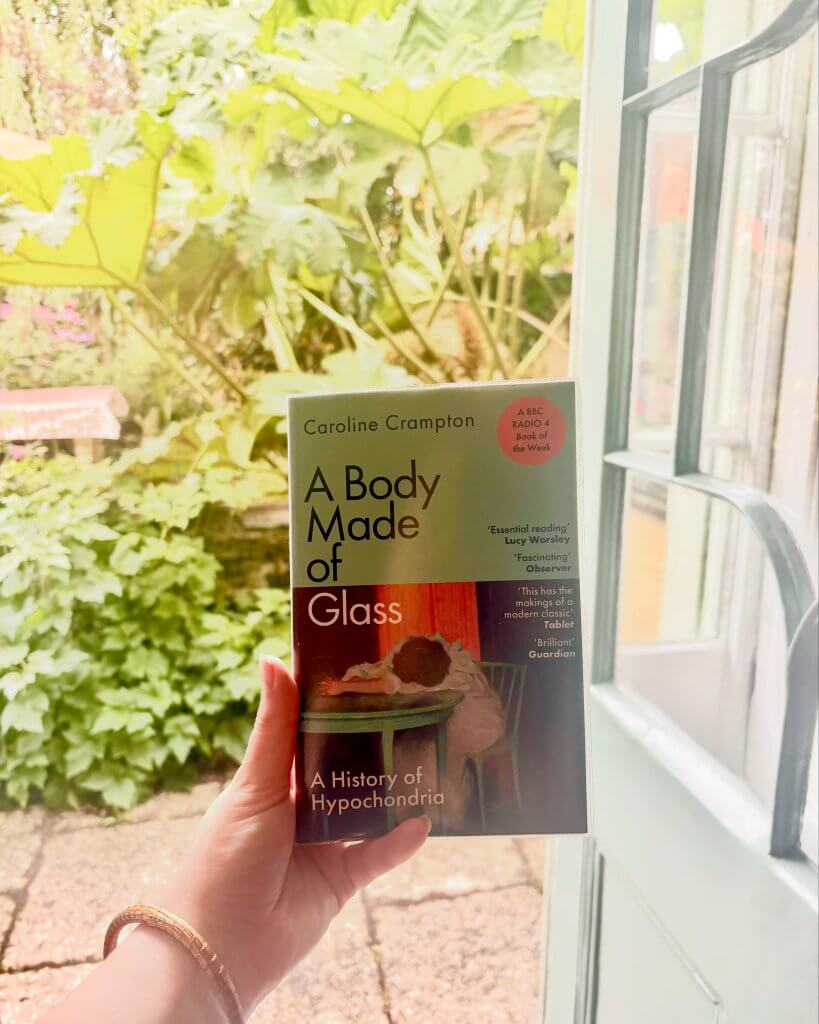
A Body Made of Glass: A History of Hypochondria by Caroline Crampton
Ever heard of the glass delusion – the established fear of being made of glass? Did you know that before glass was commonplace, people used to think they were made of pottery? A great example of how contextual and historical health really is.
This book was a really interesting and layered look at hypochondria and the mind/body divide in medicine through the lens of individual experiences.
How did the theory of humours affect our understanding of health? How has psychology and the development of pathologies influenced and changed our understanding of pain and bodily maladies?
It’s simultaneously a really fascinating social history and a memoir that asks a lot of important questions. I liked the book’s explorative and meandering style, its emphasis on philosophy and societal practices.
What other amazing medical narratives would you like to recommend?


Leave a Comment