
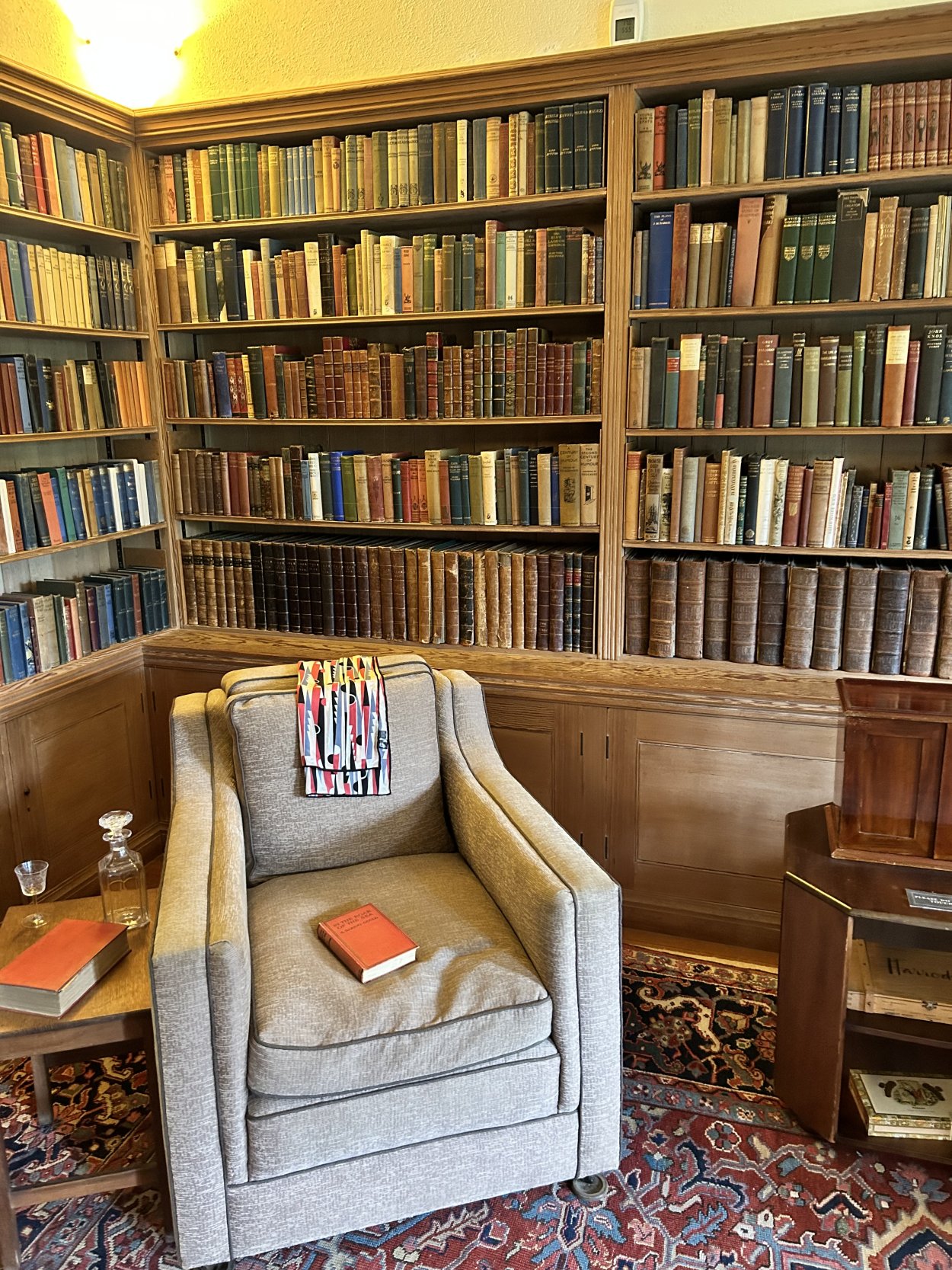
There’s something about the 1930s that keeps pulling me back as a reader, in a way that’s almost subconscious. It’s a dynamic decade: suspended between wars, thick with anxiety, experimentation, and denial, with social unrest and economic difficulties, yet also peppered with amazing art and surrealism.
These books, fiction and non-fiction, capture that tension beautifully: social fragility, political radicalisation, precarious lives, and the strange playful ways people tried to make sense of a world that felt like it was moving beyond their control.
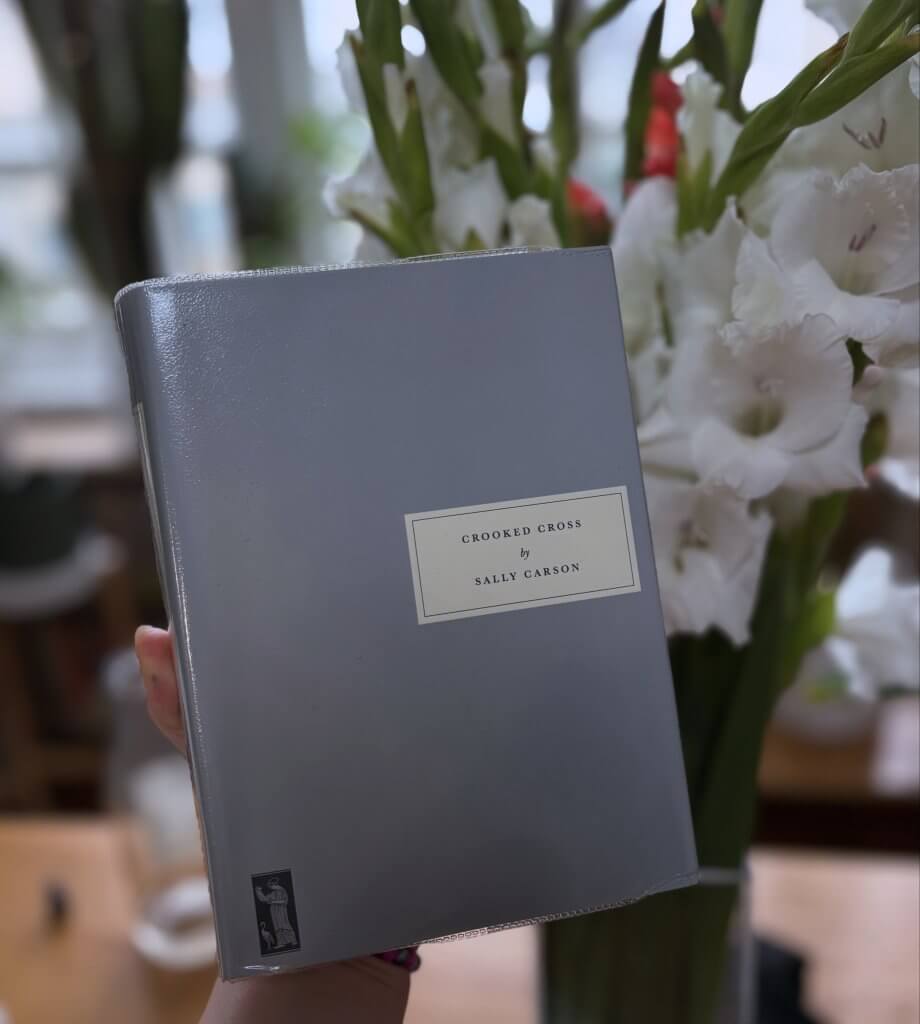
Crooked Cross by Sally Carson (1934): Telling the Nazi future before it happened
This might be one of the most devastating novels I’ve read recently, yet one that also stuns with its intelligence and prescience. In some way, it’s the quintessential 1930s European novel, and the fact that it’s actually written in the 1930s is pretty mind-blowing.
Written as events were actually unfolding, Crooked Cross is less historical fiction, more contemporary warning. Carson wrote it during a holiday in Bavaria, just months after Hitler came to power, and its immediacy makes it terrifying and engaging.
Set in the fictional town of Kranach near Munich, the novel follows the Kluger family as National Socialism seeps into everyday life. Lexa loves Moritz, whose Jewish heritage suddenly renders him suspect; her brothers, Helmy and Erich, are gradually seduced by the movement’s promises of purpose and renewal. Even their sceptical, war-veteran father is drawn in by his sons’ excitement.
Carson shows how fascism becomes normalised: street violence, book burnings, surveillance, legal erosion, through the eyes of an ordinary family.
Overshadowed for decades and out of print until Persephone reissued it this year, this feels like a novel we were never meant to forget! It’s stunningly accurate and also is part of a trilogy, so I’m excited to see the rest…
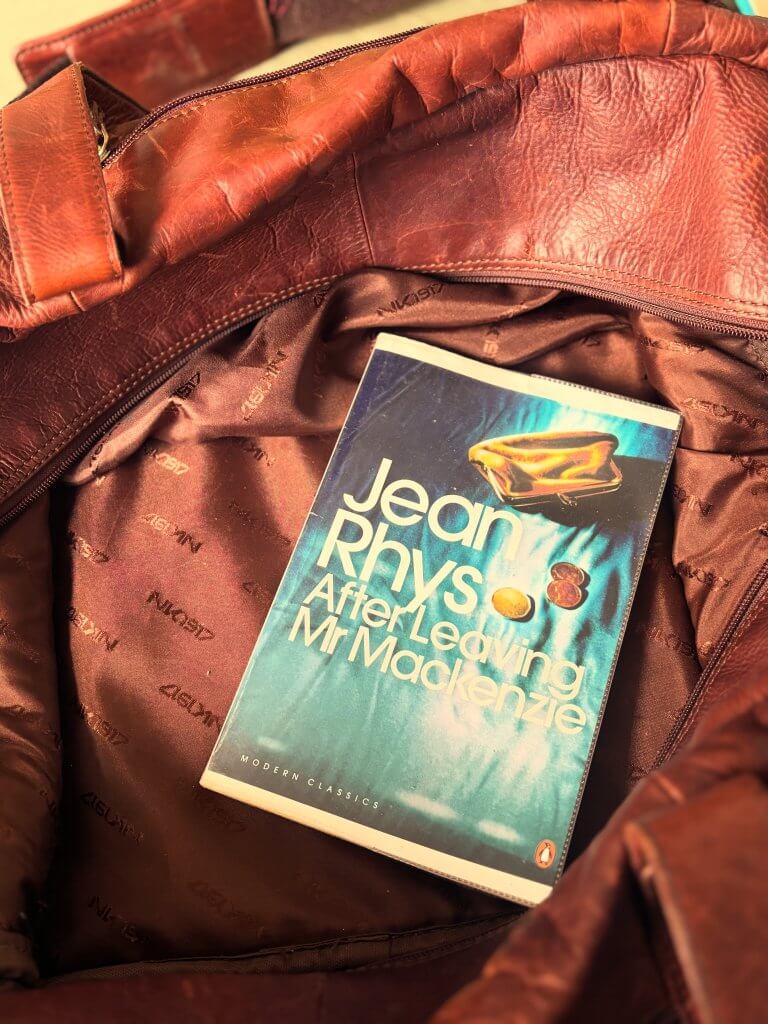
After Leaving Mr Mackenzie by Jean Rhys (1931): Down and Out in Paris and London
Bleak, beautiful, and razor-sharp, this novel captures precarious survival in big cities like few others. Julia drifts from Paris to London after being discarded by her lover, hoping that family or former partners might help her, getting increasingly desperate and dishevelled.
What I love here is the shifting perspective: Julia’s looks are refracted through the contemptuous or indifferent eyes of others. Respectability becomes a weapon; London feels cold, grim, and airless, mirroring Julia’s internal collapse.
Autobiographical and part of Rhys’s loose trilogy (with Quartet and Good Morning, Midnight), this is a novel about how quickly someone can slide out of social sympathy, and how little anyone feels obliged to catch them.
This narrative captures some of the economic and social erosion of the 1930s, as well as the shifting sexual politics that were both confusing and cruel.
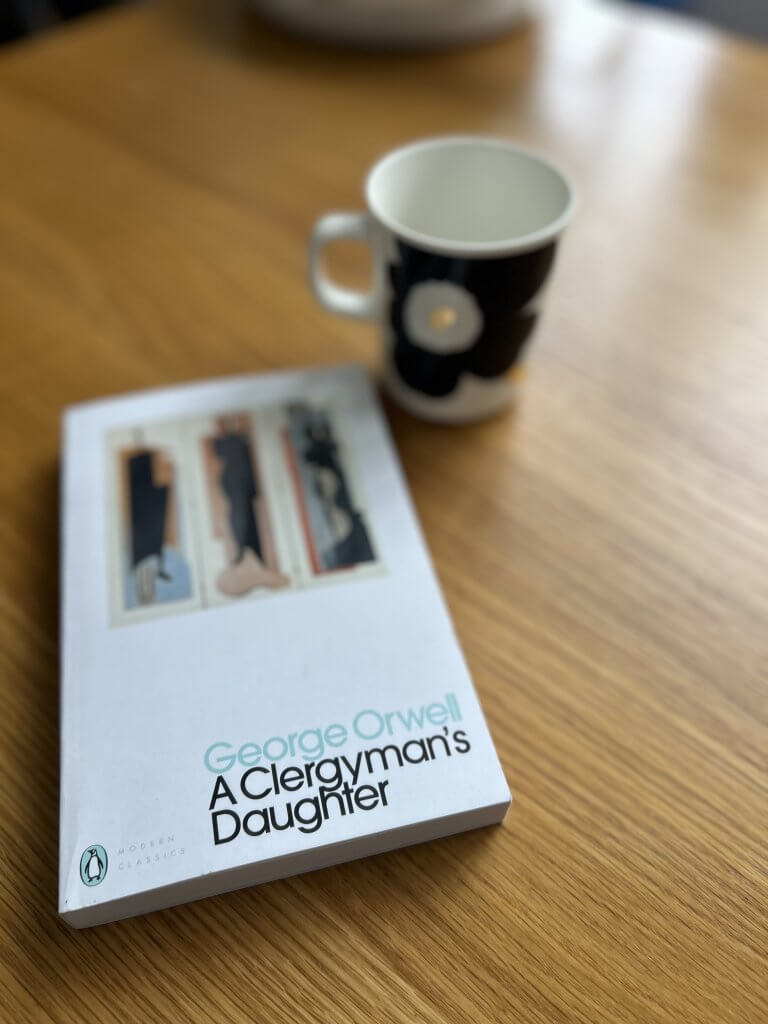
A Clergyman’s Daughter by George Orwell (1935): Social precarity from the rectory to the city
Often dismissed as part of his impressive canon, even by himself, I actually like this adventurous spinster novel from Orwell in which a woman leaves the stifling refectory for the chaos of London’s precariousness.
The novel is episodic, strange, and socially rich.
Dorothy, the dutiful daughter of a selfish Anglican rector, begins in genteel poverty: unpaid bills, parish squabbles, quiet exhaustion, the shame of facing the butcher one more time.
Then comes a rupture: amnesia, homelessness, itinerant living, hop-picking, and eventually a stint teaching at a private school. (An opportunity for Orwell to roundly criticise private teaching establishments).
The publishing history of the book is also fascinating: censorship in the 1930s removed references to rape, banks, libraries, and explicit criticism of private schools. This was partly due to the publisher’s recent legal issues, and they hoped censorship would help them avoid trouble.

Dumb Witness by Agatha Christie (1937): Quintessential Christie with shadows
The 1930s was also the golden age of crime fiction, with Christie as its crowned Queen. Maybe there was something about the satisfying puzzles and the contained violence that appealed to people?
An elderly woman, grasping relatives, an inheritance, a suspicious “accident,” and a dog who may know more than he lets on.
This is classic Christie: tight cast, conversational sleuthing, and Poirot at his most smug, but with some clever subversions of motive and expectation. I also felt Christie subtly playing with contemporary anxieties about “foreignness” and trust, which gives this a 1930s edge.
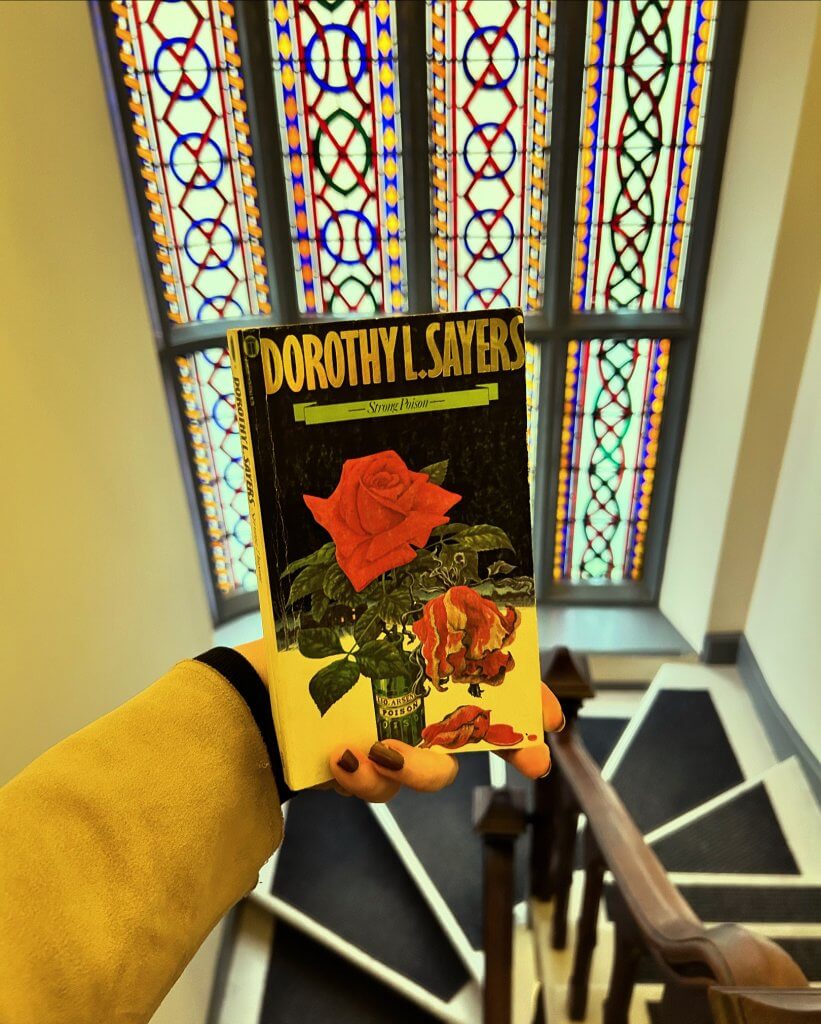
Strong Poison by D.L. Sayers (1930): Aristocratic sleuth as a period piece
This is peak 1930s sleuthing excess, and I adored it for its theatricality. Dorothy L. Sayers is another indomitable Queen of crime, and her aristocratic sleuth, Lord Peter Wimsey, is both anachronistic and of its time. The last gasp of the old aristocratic “system” and its culture seemed to fascinate artists and writers in the 1930s.
In Strong Poison, Harriet Vane is on trial for murdering her ex-lover with arsenic, and Lord Peter Wimsey barrels in to save her: with long lunches, fake séances, chemical tests, theatrical typists, and boundless arrogance.
Harriet’s intelligence and modernity cut through Peter’s theatrics beautifully, and their dynamic crackles even before romance is on the table. It’s smart, biting, scandalous, and riddled with period clangers.

Whale Fall by Elizabeth O’Connor: Responsibility and progress in a Welsh island setting
Set on a Welsh island in the 1930s, this novel quietly interrogates power, perception, and who gets to tell whose story. When a whale beaches itself on the shore, outsiders arrive, and Manod: curious, sharp, and torn between loyalty and ambition, becomes a reluctant translator for her community.
This isn’t a pastoral idyll: the narrative touches on extraction, documentation, politics, and the flattening effect of being observed. The natural world is harsh, beautiful, and politically charged.
This book reminds us of the recent rural past of many of our communities and how urbanisation was about rupture, as well as progress.
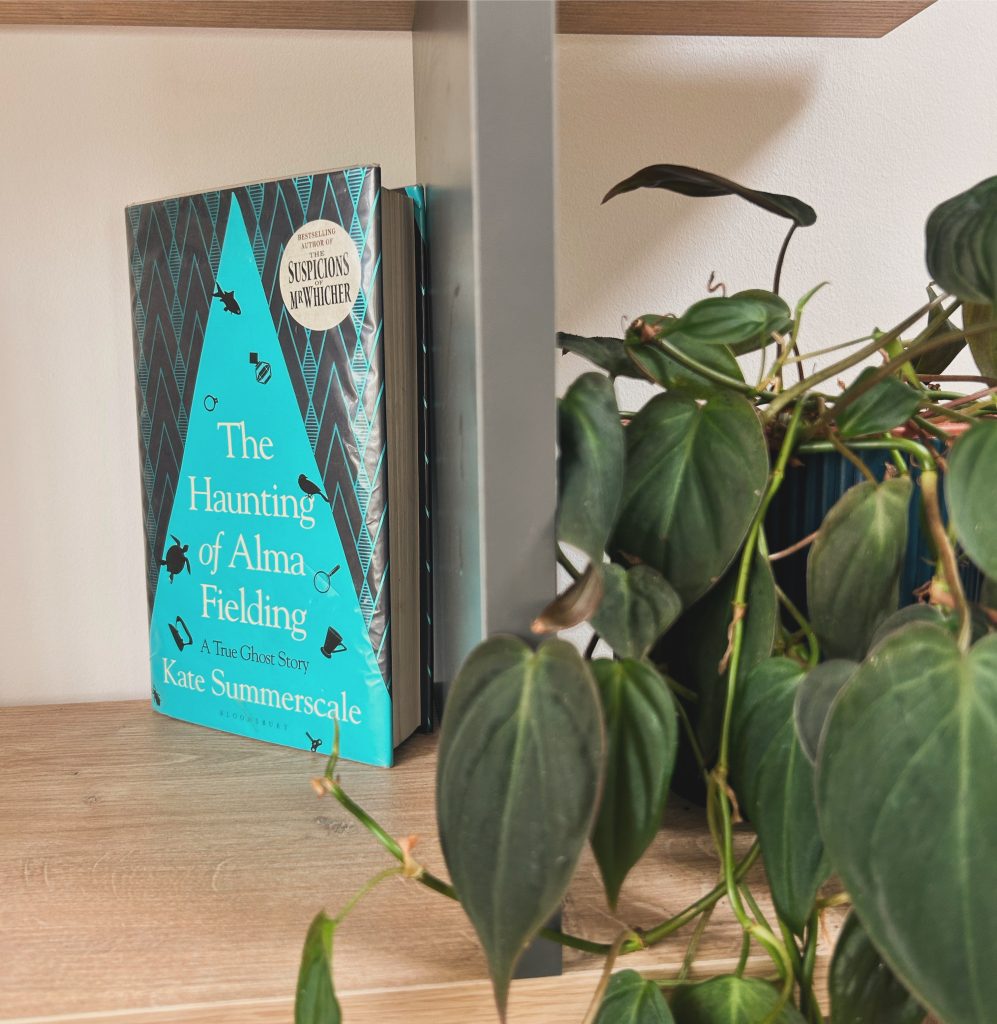
The Haunting of Alma Fielding by Kate Summerscale: Real-life 1930s poltergeist story explored
A deliciously engaging and spooky non-fiction deep dive into a real 1930s London poltergeist case. Alma Fielding’s suburban home becomes the site of violent supernatural disturbances, drawing in Hungarian Jewish psychoanalyst Nandor Fodor from the Institute of Psychical Research.
What’s fascinating is the ambiguity: are these manifestations psychological, supernatural, or something in between? Sexual tension, class politics, and the looming threat of war all seep into the narrative. Like the era itself, nothing fully resolves.
A wonderful open-ended exploration of belief, trauma, and fear, made even richer by the fact that Shirley Jackson later drew on Fodor’s research for The Haunting of Hill House.

Murder of a Lady: A Scottish Mystery by Anthony Wynne
Anthony Wynne wrote a whole series of classic crime novels featuring Dr. Eustace Hailey, the detective here. Interestingly, Wynne was the pseudonym for Robert McNair Wilson, a Glaswegian surgeon.
This novel was first published in 1931, very much in the golden age of detective fiction.
At its core, this is a traditional locked-room mystery: a murder occurs in a room sealed from the inside, followed by a series of events (hint: other murders) that all seem increasingly impossible. If you’re familiar with classic murder mysteries, you’ll recognise some familiar themes and a few genre clichés, but they’re handled competently and with enough creativity to stay engaging. The Highlands setting makes it more interesting than usual as well.
I also appreciated the relatively small cast of characters. The story mainly revolves around one family across a couple of generations, and the tight focus allows for interesting interactions and character exploration without becoming overwhelming.
Overall, a satisfying and atmospheric mystery from the 30s: read this if you enjoy classic locked-room puzzles and evocative Scottish settings.
It’s funny how certain decades seem to pull you in over and over again. There’s something inherently vulnerable and tragic about the 1930s, maybe that is why it draws me in during the 2020s?
Leave a Comment