

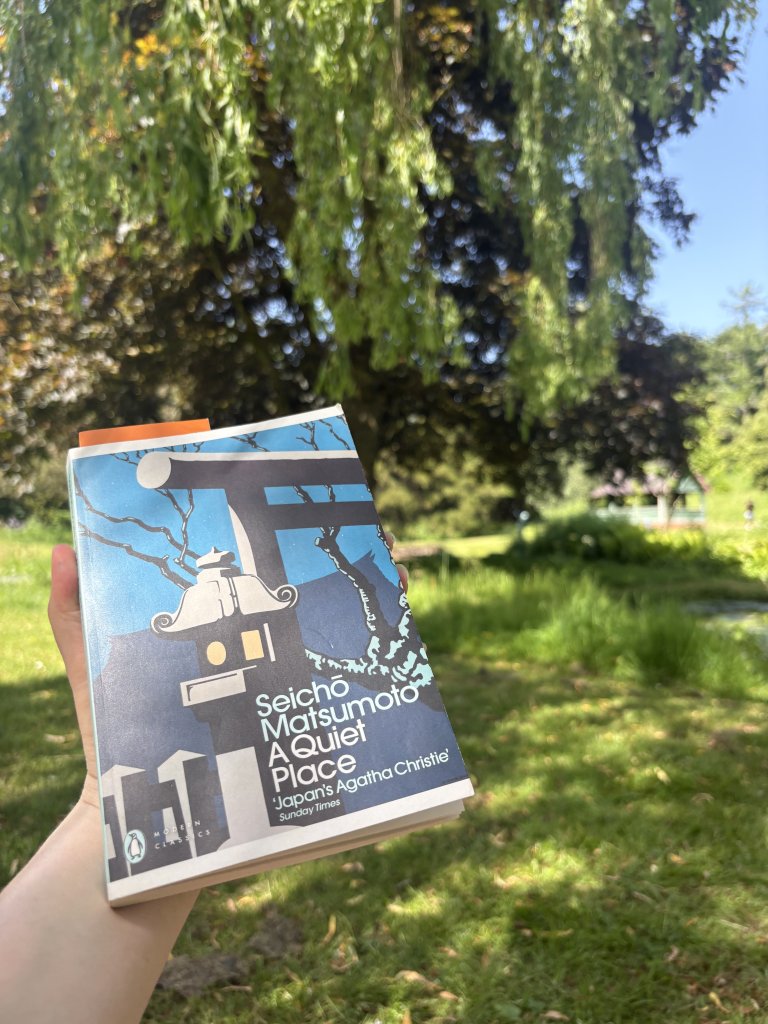
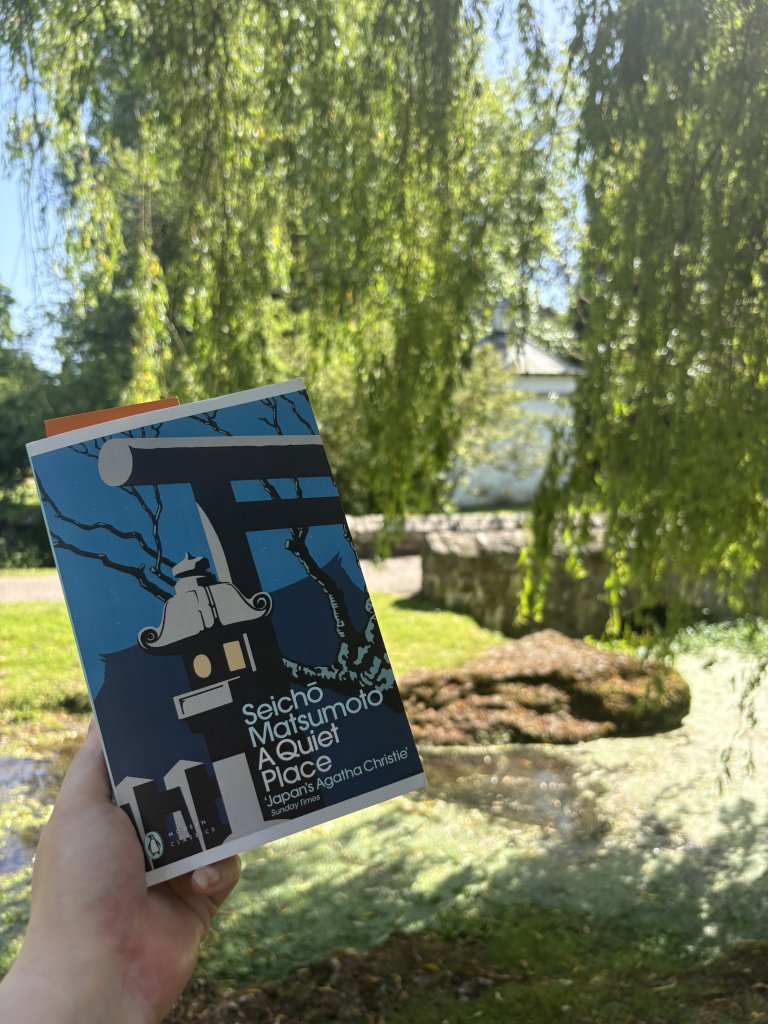
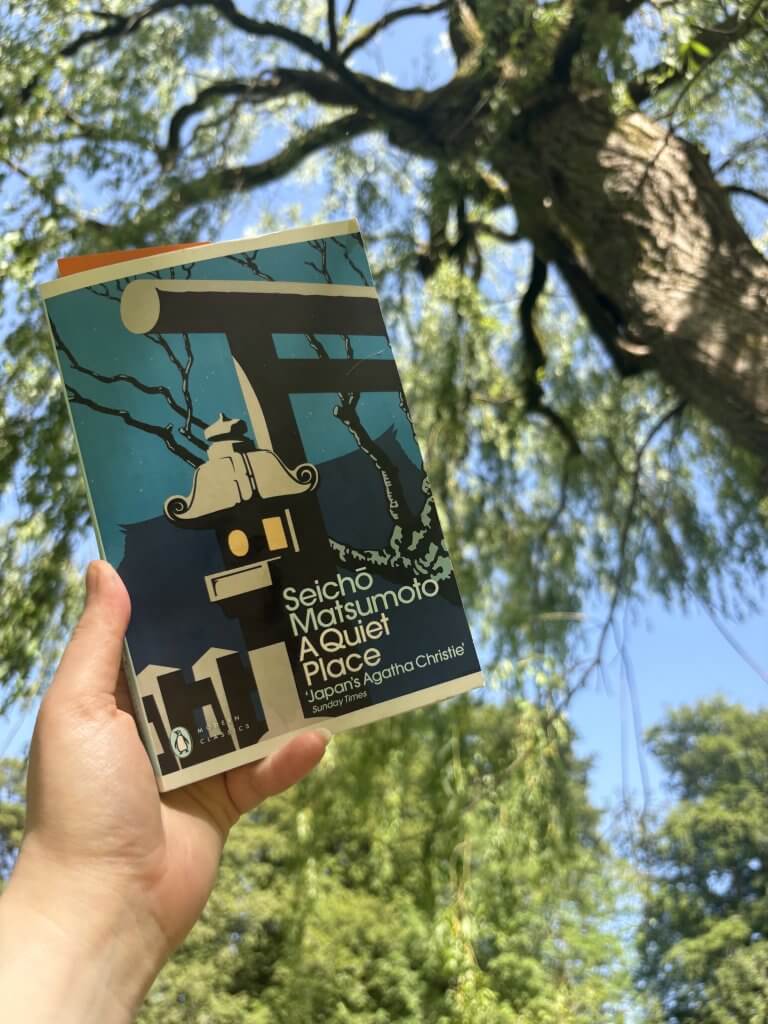
Seichō Matsumoto is marketed as a Japanese “Agatha Christie” and I can understand the comparison from a marketing perspective, though the novel is less like a classic Christie puzzle mystery and more like one of her psychological thrillers.
The story centres on a man reflecting on the life, and death, of his younger wife, whom he had always perceived as quiet, reserved, almost prudish. After she dies, he gradually begins to realise that she may have possessed an interior (and exterior) life he never understood. Did she meet someone at her Haiku classes? What did she do during the afternoons?
That retrospective is the most compelling part of the novel: less about solving a murder, and more about confronting the limits of intimacy and perception. This is very Christie-coded.
The book plays intriguingly with time, guilt, and uncertainty, particularly around the question of when and why events actually occurred. There are echoes of classic crime fiction in that structure, but the atmosphere is much closer to a tense psychological suspense novel.
What I found especially interesting was Matsumoto’s depiction of Japanese bureaucratic culture. The novel is filled with discussions of hierarchy, obligation, procedure, and professional rigidity. That environment creates a pressure that shapes the characters’ emotional lives, In some ways, it reminded me of some Russian novels I’ve loved: intensely bureaucratic worlds hiding an undercurrent of violence, repression, and sexuality.
It’s a very quick read, but a satisfying one. It succeeds brilliantly as a study of marriage, violence, secrecy, and assumptions. I’ll definitely seek out more of Matsumoto’s work.
Read if you want a murder thriller that’s going to delight and surprise.




Leave a Comment