
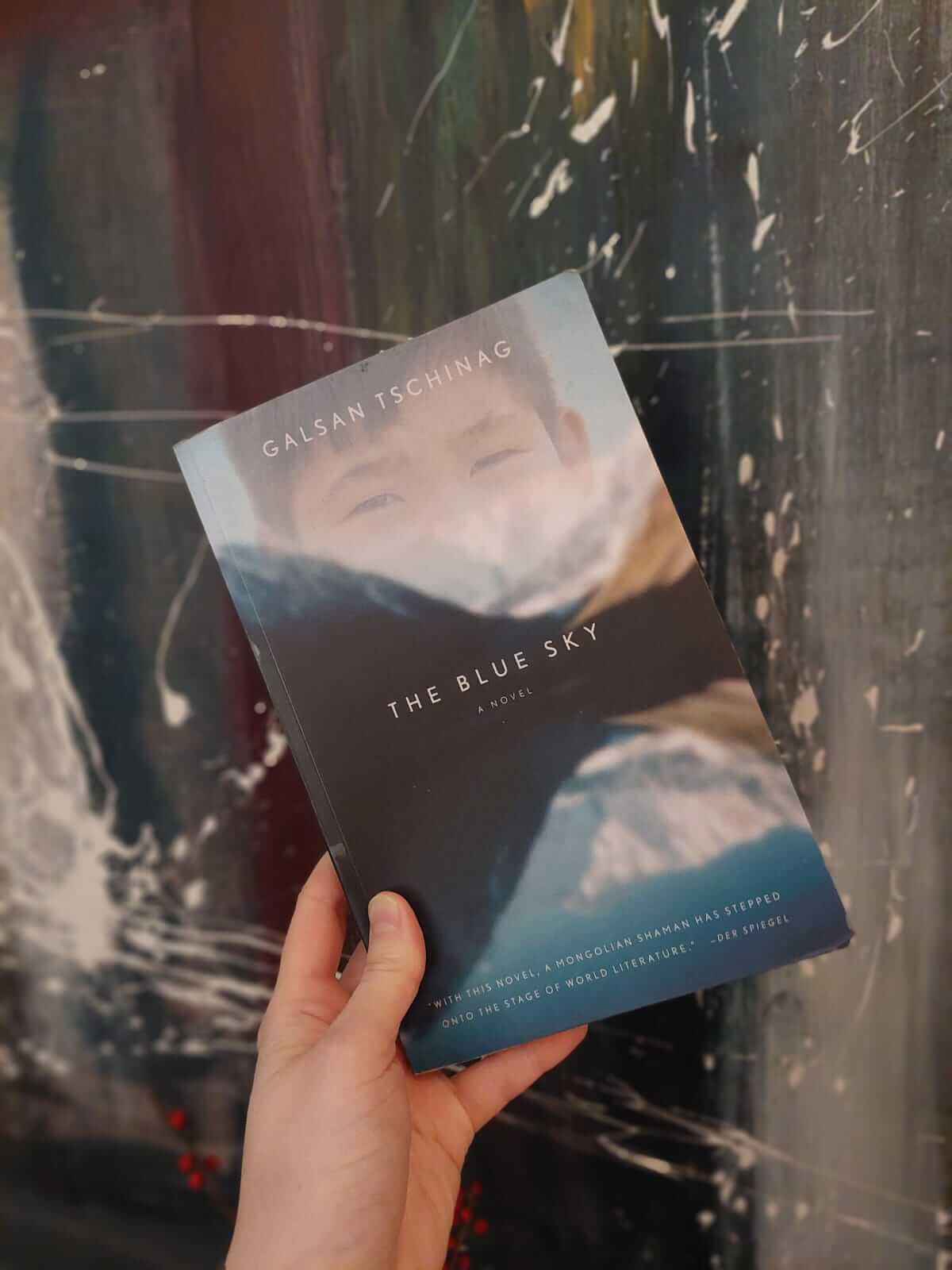
This is a really interesting and quietly powerful book set among the Tuvan people in Mongolia. It’s a memoir that explores the emotions and rites of passage of a childhood on the steppes.
It’s the first part of a trilogy, and it captures a moment of significant transition, where traditional nomadic and tribal ways of life are being challenged by the pressures of a modern state, a changing ecology, and social shifts. Communism and its values assert themselves even this far away from the nexus of power, turning traditional power structures on their head.
Themes like sending children to school, shifting political structures, and changing environmental conditions all contribute to a growing sense of instability, though these larger forces remain mostly at the edges of the story, more like echoes. The core of the story is emotional.
At its heart, the novel is an intimate read. It follows a young boy, his relationship with his adoptive grandmother, his bond with his dog, and the wider connections between people, nature, and the animals they care for. These relationships feel central and deeply grounding, and there’s a relationship with nature and spirituality, the Tuvan gods, that underpins everything.
It’s a very beautiful, short, and easy read, with a kind of musical, almost oral quality to the storytelling. At times it feels like you’re listening to a story passed down rather than reading a novel.
There is also a visceral hardness to the book, but it’s also full of beauty and a strong sense of poetry. I’d definitely be interested in continuing with the rest of the trilogy.
Read this if you’re in the mood for a book that’s both melodic and earthy.


Leave a Comment