
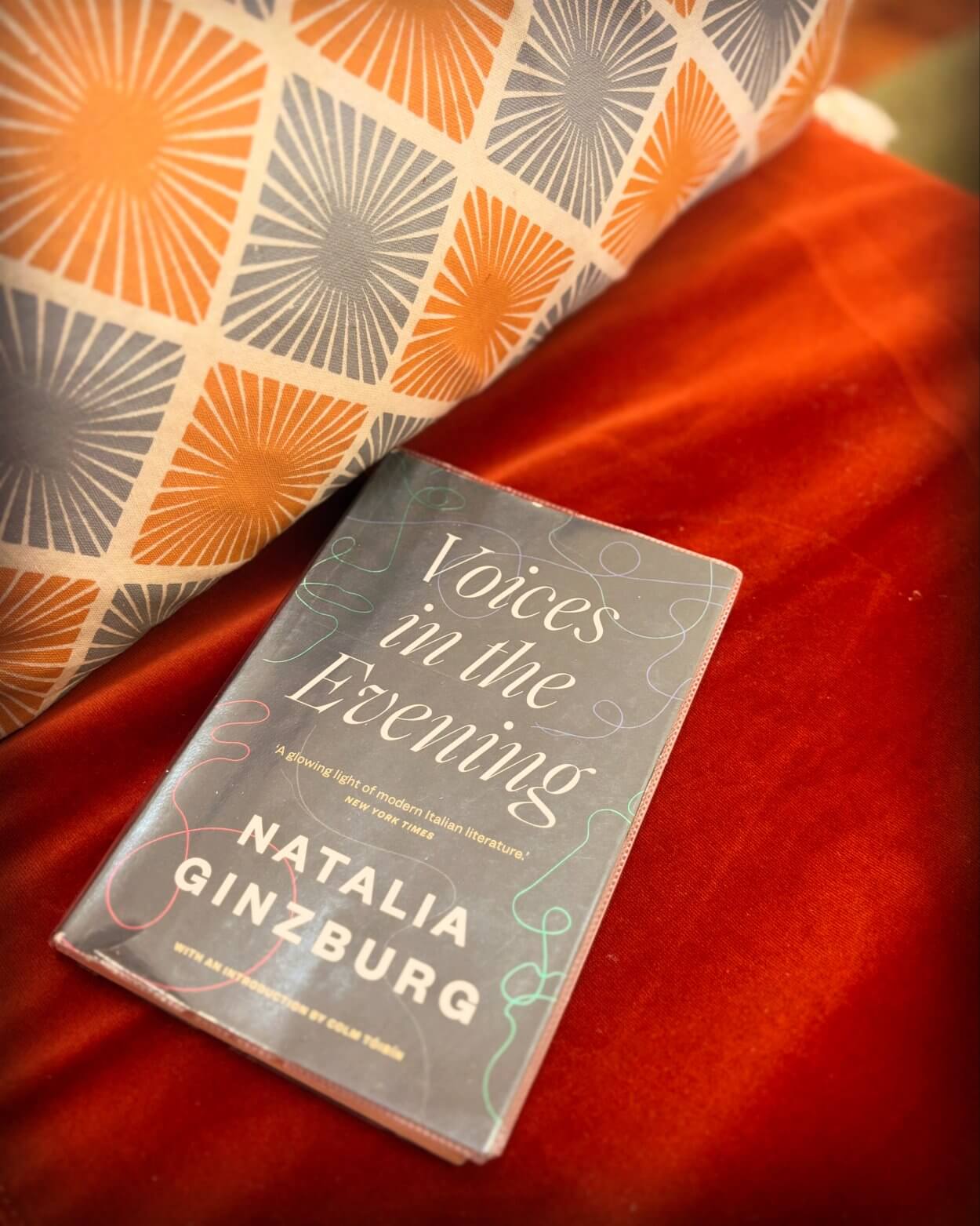
Natalia Ginzburg (1916-1991): Anti-fascist writer
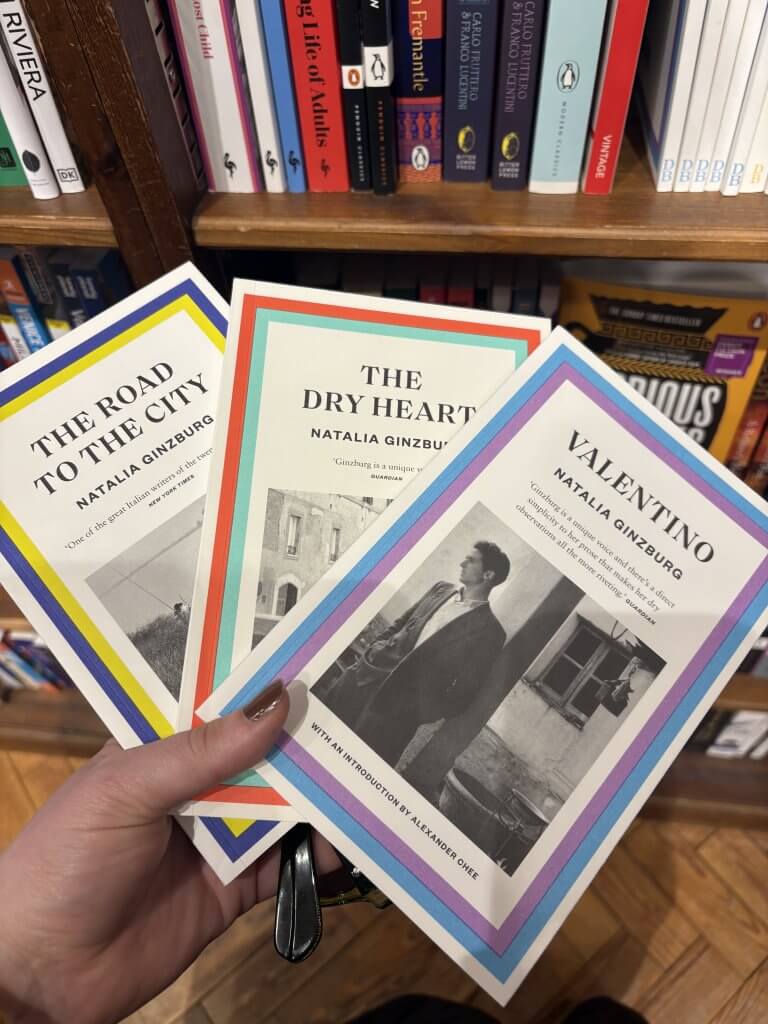
Natalia Ginzburg is everywhere at the minute: it’s great to see her work getting recognition as more of her work is being translated. This slim novella is a great introduction to her work and style.
Ginzburg’s life is fascinating in itself: in her native Italy, Ginzburg has won multiple literary awards and she was also involved in politics, joining the Communist Party and working as an Independent. Her first husband and father of her children died in prison in 1944 due to his resistance to the Fascist regime, tortured to death.
In her work, she explores fascism and violence, how it coexists with the everyday, and how they’re part of the social world. There’s sometimes an absurd or comic edge to her interpretation that feels entirely honest and fitting.
Rural Italy made real
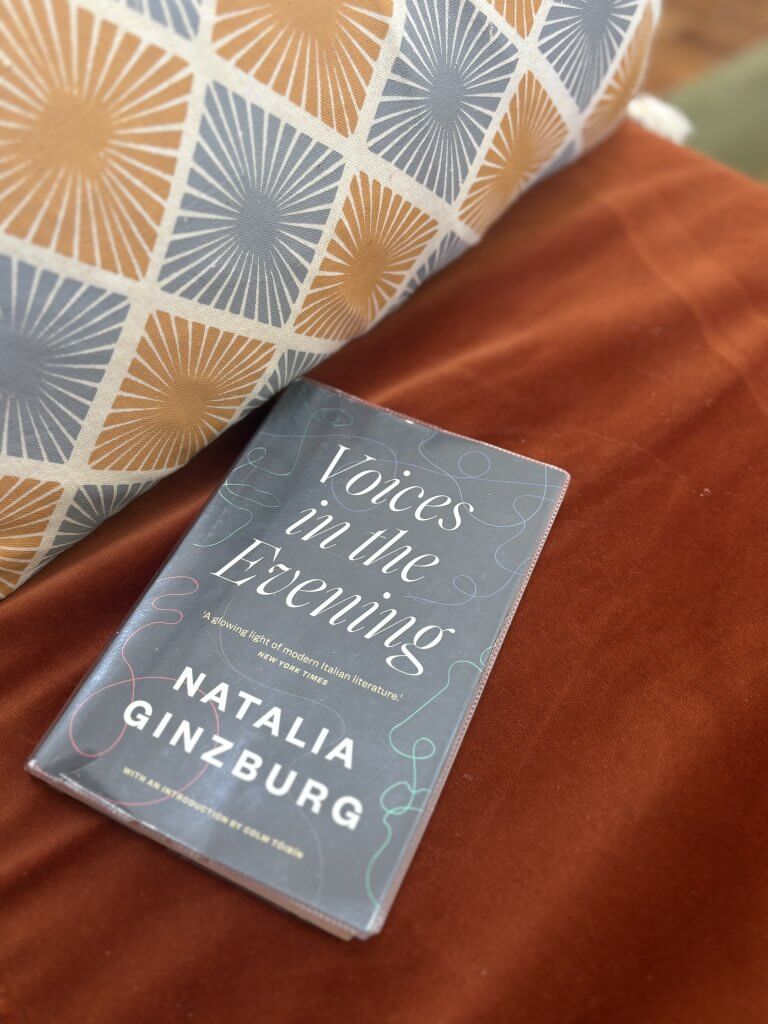
Meandering and mournful, in Voices in the Evening we’re in the frozen world of Italian villages, following the fortunes of prominent rural families and a rather dreary love affair. The beautiful rhythm of community, weather, and nature coaslesce into a life-affirming whole.
Short but philosophical
Voices in the Evening is a short but comprehensive book, with an interesting style that flitters from sad marriages to awkward social encounters and discussions over how rich a dessert should be.
A beautiful novel that tastes of life and is hard to pin down and define. Is it about love and the fear of committing to one thing or person? Is it about what the aftermath of fascism looks like? Is it about the complex social world of family and hospitality? Is it a family saga about legacy?
Leave a Comment