
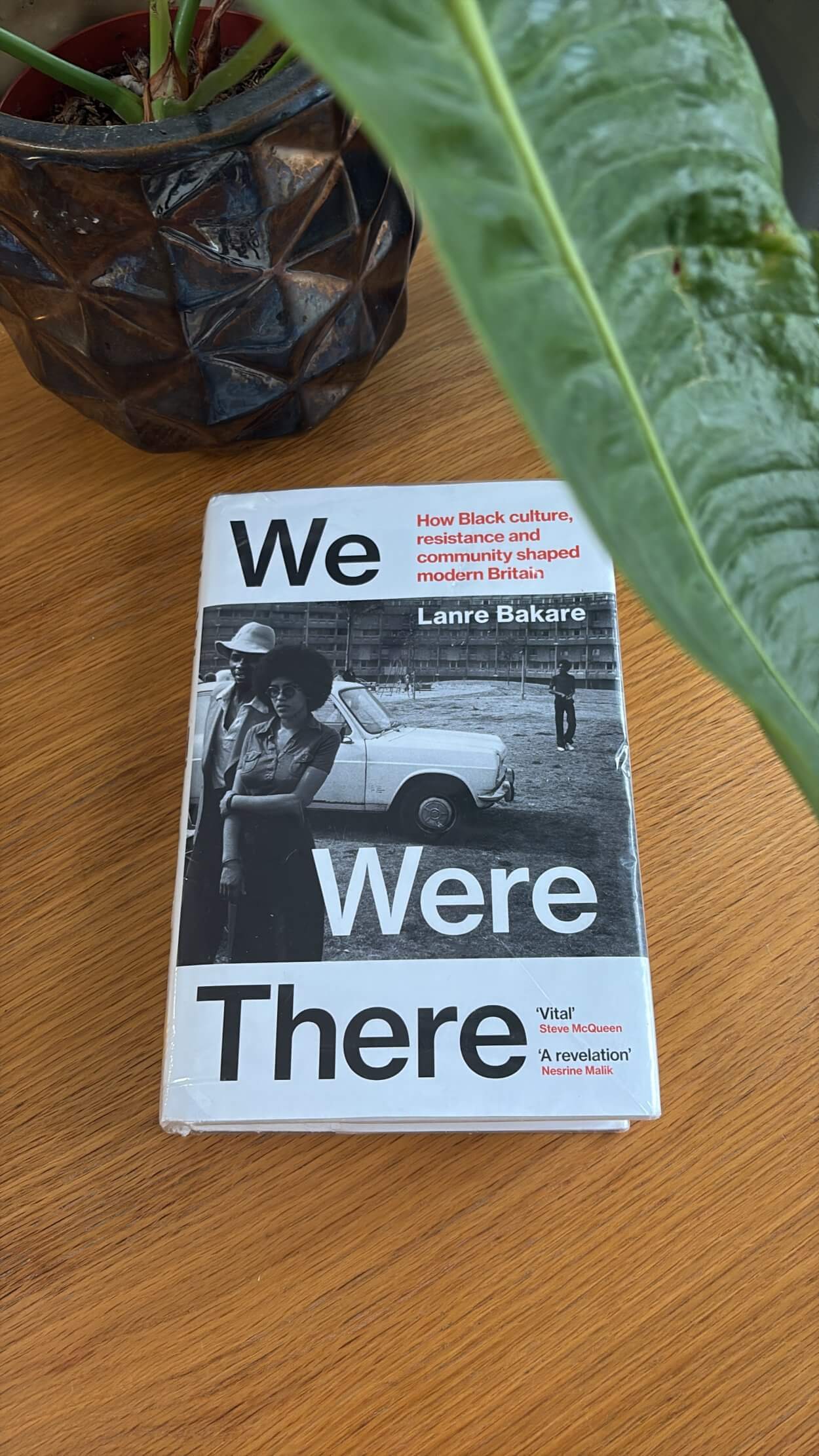
A deep social history that goes beyond the archives and trad narratives to rescue the real stories behind multicultural Britain and rewrite dominant discourse on Britishness.
The subject matter is incredibly poignant, relevant, and at times infuriating. The book powerfully shows how Black culture has been minimised and marginalised in conversations about key moments in British cultural history, particularly from the 1970s onwards (and even earlier). At the same time, it highlights the many community leaders and individuals who have always been there, shaping these histories. It adds so much rich texture to recent history and I loved seeing these issues dissected in a comprehensive way, spanning art and music to politics & policing.
I loved the specifically regional emphasis, taking readers to communities such as Tiger Bay in Cardiff, as well as Wolverhampton, Leeds, and Birmingham. You get a real sense of how these historic and important communities function in different places. The inclusion of rural communities, nature, and Scotland also adds to this broader perspective, creating a genuinely diverse picture while still maintaining a clear, unifying thread throughout.
As someone who loves local history and exploring more recent archives, this book really resonated with me. I think we often default to looking back 100+ years for historical insight, but there’s so much to learn from the 1970s and 1980s, especially when many of the people connected to these histories are still alive.
The book also touches on the role of city planning in ways I found surprising and significant. Urban clearance and the destruction of so-called “slums” often erased Black communities and, with them, histories of Black property ownership: stories that are rarely told.
The parallels between economic distress, anti-immigration sentiment, and racial tension feel especially urgent and relevant today with the same old tired motifs resurfacing.
Read if you want to learn more about British history.

Leave a Comment